

What we believe
Our DNA
Our journey
Organisations
Mentors & advisors
Network & partners
Why berkana·z
What we believe
Relationships and people at the heart
We believe that where relationships are essential, better decisions and results are obvious.*
*And research confirms it.
Dialogues for Transformation
Dialogues with internal and external stakeholders, transforming relationships and results — day to day and in exceptional moments.
Change is cultivated
We believe change can be cultivated in individuals, organisations and society — and we work for it through practical programmes and interventions.
Our DNA
Three strengths run through everything we do.
Adaptive & intercultural
International experience in more than 40 countries, from villages in Burundi to boardrooms in Shanghai. Across functions and sectors, we draw on different practices to build the right programme for your project.
Innovative & academic
Close ties with research and teaching, books and articles, and tools of our own. Combined with hands-on practice in negotiation and mediation, they give you tools and frameworks that are pragmatic and effective.
Committed & engaged
Ready for difficult negotiations and live conflicts, and contributing to “living better together”, including pro bono. We take part in initiatives in the public space, in humanitarian settings and in crisis situations.
Ricardo
Ricardo Pérez Nückel · Founding partner
A negotiator, mediator, consultant and speaker, Ricardo Pérez Nückel has worked on relational dynamics and organisational transformation since 2000. He helps organisations support change and structure their negotiations and the transformation of conflicts — external (partnerships, purchasing, sales, mergers) or internal (projects, change, teams).
He teaches and advises in academia (INSP, formerly ENA; ESSEC; Sciences Po Paris; ENAP; Fundação Dom Cabral; HEC; PUC-Rio), in the public sector (defence, justice, foreign affairs, environment, health, education, regulators, communities, international organisations) and in the private sector (industry, retail, agribusiness, banking, energy, telecoms and media, infrastructure and construction, pharmaceuticals). His work builds on the methodology and tools of the Harvard Program on Negotiation, and on tools of our own.
He holds a Master’s degree in Law from Université Paris 1 Panthéon-Sorbonne and an MBA from ESSEC Business School. He is the co-author of two books on psychosocial risks at work and two on negotiation. Ricardo is German and Honduran, and lives in Brazil. He works in Portuguese, English, French, Spanish and German.
Burundi, 2004
In April 2004, at the invitation of Alain Lempereur, Ricardo left for a first two-month mission in Burundi — ten years to the day after the massacres in Burundi and Rwanda. He went on working there for six years.
What he learned there still guides the work. Where walls and trenches have taken the place of ties, understanding comes first.
“We become creators of ties, through understanding.”
From “The tensions of the reconciling third party and the principles of the Little Prince”, Paris, 2009.
It holds in a village in Burundi and in a boardroom in Shanghai: people decide better together once they understand one another.

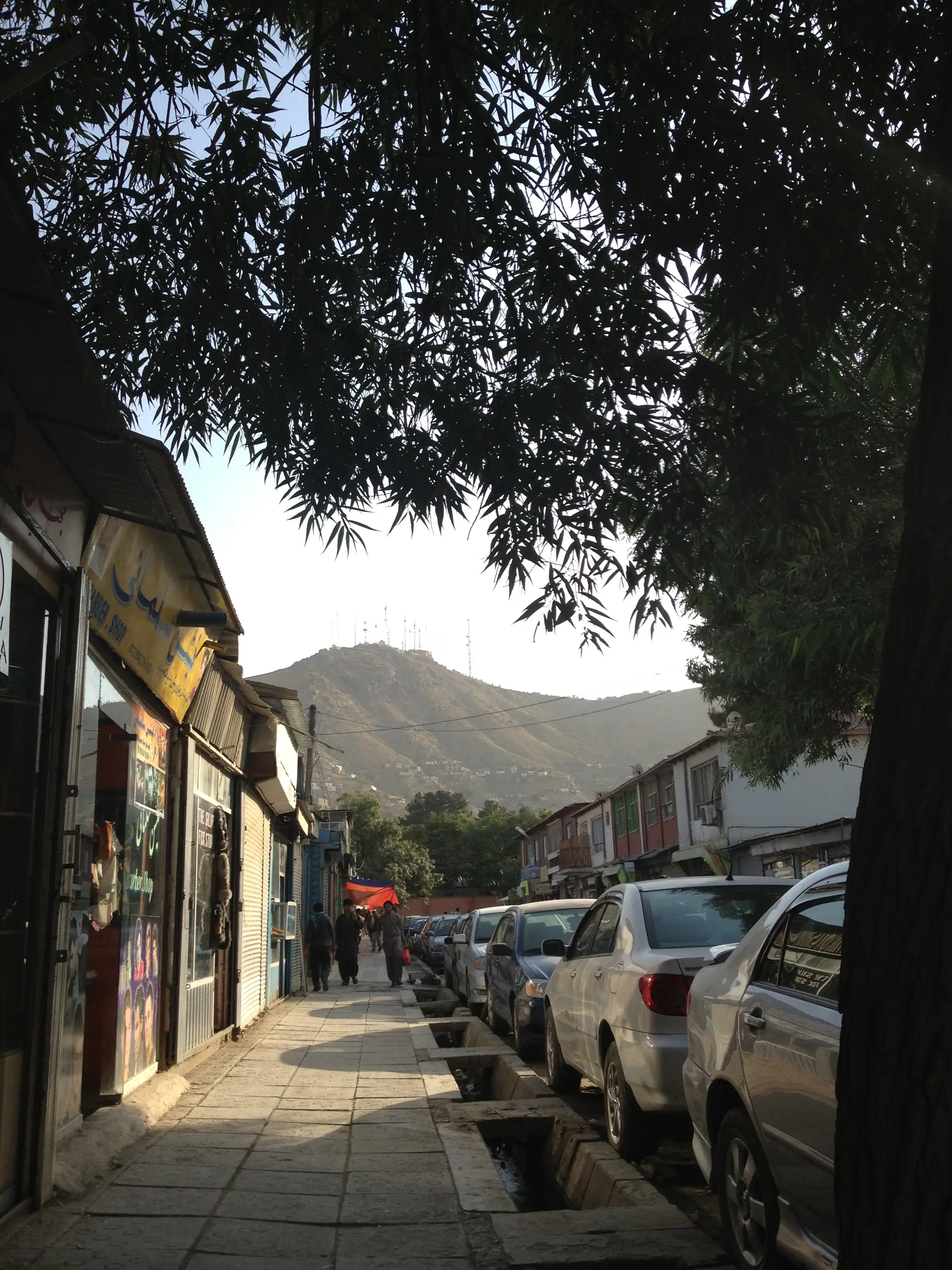
Where we work
We’ve come a long way. We’ll go wherever you need us.
More than 40 countries, in Portuguese, English, French, Spanish and German. For other languages, we count on our network of partners.
Our journey
Since 2000, the practice has carried several names over the years.
2000 – 2010
Ricardo joins ESSEC IRENE, the Institute for Research and Education on Negotiation, as conference coordinator, then trainings coordinator.2001 – 2003
Teaching begins at INSP (formerly ENA).
Trained by the retail industry in purchase negotiation.
Negotiation work and mediation trainings with Jacques Salzer.
First study on conflict management systems in France (unpublished).April 2004
A first two-month mission in Burundi, at the invitation of Alain Lempereur, Howard Wolpe, Steve McDonald and Liz McClintock.
A first training of trainers, developed over two months with Liz McClintock and Liliane de Andrade.
Followed by many years of trainings in Burundi, Liberia and Timor-Leste on post-conflict trust-building.2004
FAO–WTO project on multilateral negotiation: curriculum design and a two-day mega-simulation with night negotiations, used for years at the European Commission as the Negotiation Marathon.
Training of West African WTO negotiators before the WTO Ministerial Conference in Hong Kong in 2005.2005
A month of work on negotiation pedagogy, financed by GTZ / InWEnt.
Coordination of the Harvard PON – ESSEC IRENE conference on negotiation pedagogy.2007
In the Philippines for the UN FAO: first tri-sector dialogues between the private sector, the public sector and civil society of the forestry sector.2009
First study on dispute-wise companies, with AAA and Fidal, based on the 2003 study.
“The tensions of the reconciling third party and the principles of the Little Prince”, Paris.2010 – 2020
Invites two colleagues (Jean-Édouard Grésy, Julien Ohana) to co-found AlterNego, a training and consultancy firm in Paris, France.
Conflict management systems and crisis management systems implemented in organisations.2012
Co-authored book on psychosocial risks at work: Managing psychosocial risks (in French, ESF éditeur).2016
Ricardo settles in Brazil; teaching begins at ENAP.
Leadership and change trainings for presidential candidates and political leaders from Latin America, for ENA (now INSP), financed by CAF – Development Bank of Latin America and the Caribbean.2017
Co-authored book on negotiation: How negotiators succeed (in French, De Boeck).2018
Co-authored book on quality of life at work: Investing in quality of life at work (in French, ESF éditeur).2022
Spanish adaptation of Negotiation method (Lempereur, Colson; in French): The first step. Negotiation method (in Spanish, Granica).Today
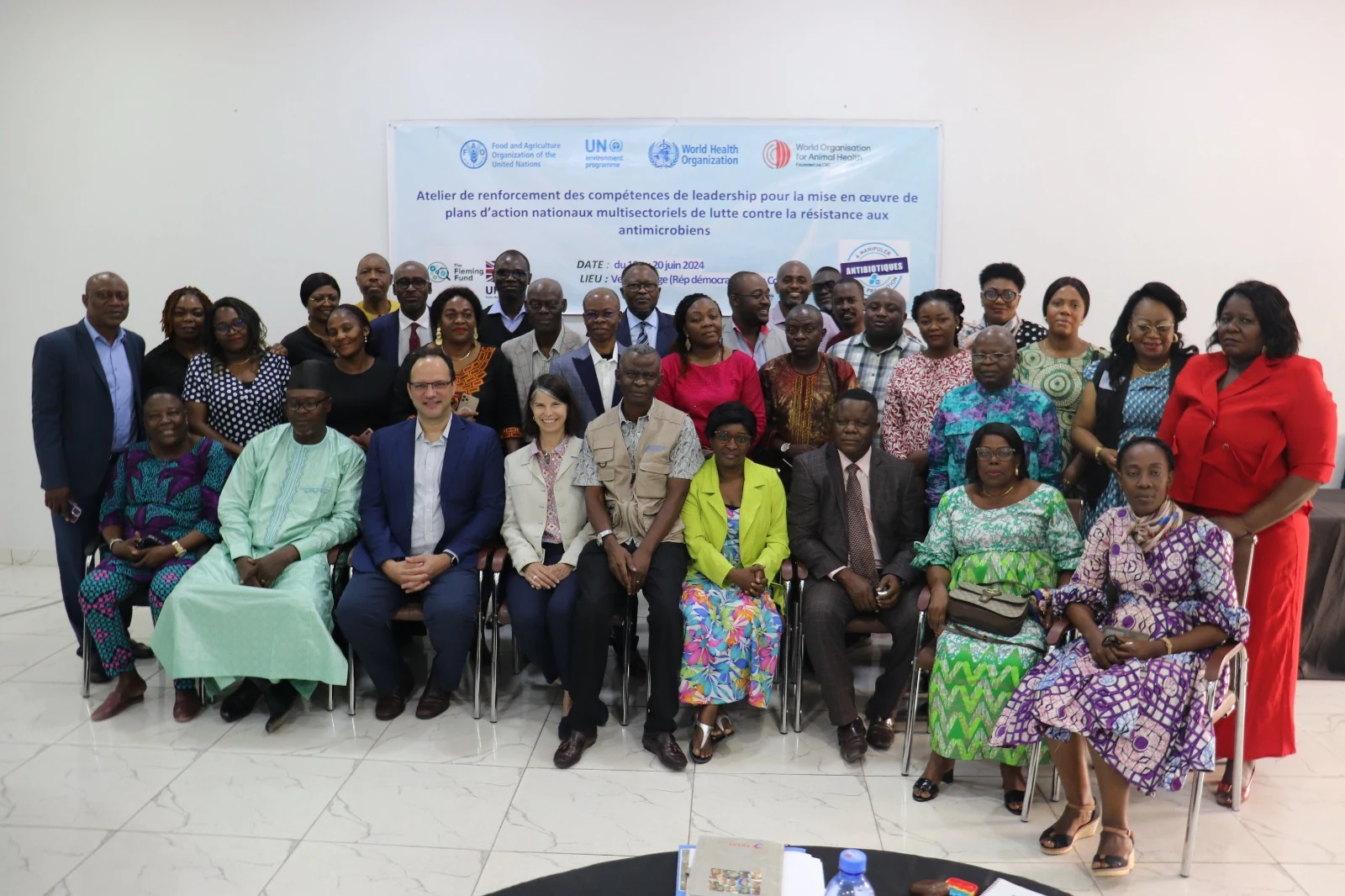
berkana·z: Ricardo, based in Brazil, worked in 40+ countries for 200+ organisations in 800+ missions and has worldwide reach through a network of partners.
“
If I have seen further it is by standing on the shoulders of giants.
ISAAC NEWTON
Mentors & advisors
INTRODUCTION HELD — Ricardo to write.
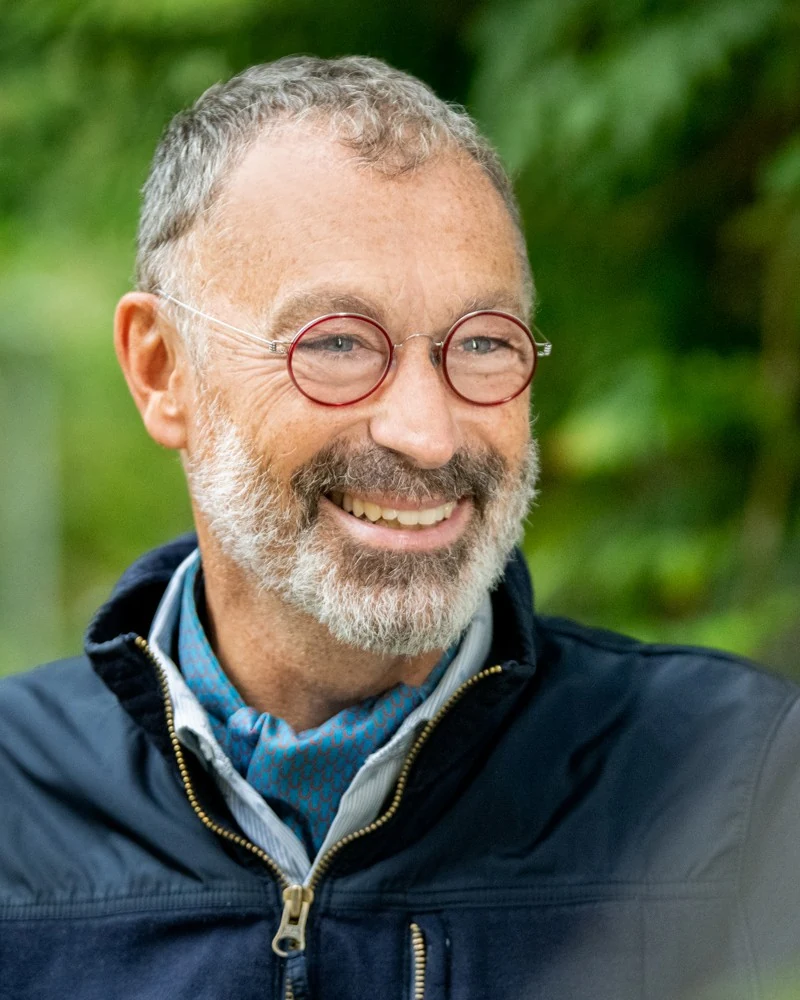
Alain Lempereur
[their own words, to come]
BIO HELD — PHOTO TO CONFIRM: Alain Lempereur portrait.
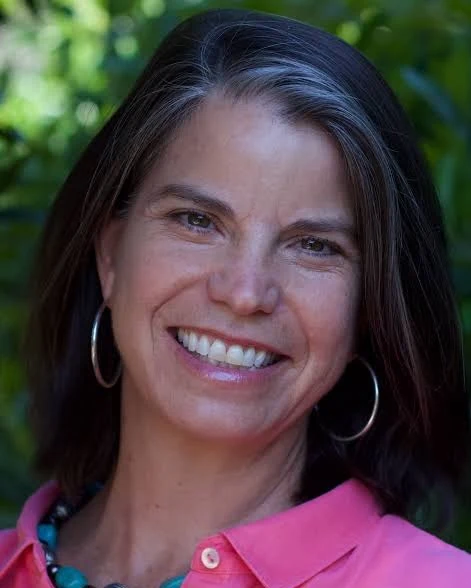
Elizabeth McClintock
[their own words, to come]
BIO HELD — PHOTO TO CONFIRM: Elizabeth McClintock portrait.
“
If I have seen further it is by standing on the shoulders of giants.
ISAAC NEWTON
Network and partners
We work with a network of partners, chosen for each assignment: for its context, its languages and its subject. Roles and responsibilities are agreed from the start.
“
Traveller, there is no road; the road is made by walking.
ANTONIO MACHADO

On the road
Some organisations we have walked with
Since 2000, a practice in negotiation, mediation and dialogue — under several names and with several partners, with the same conviction. In more than 40 countries, in Portuguese, English, French, Spanish and German.
Examples of organisations we have worked with since 2000 — directly, for partners and pro bono.
Private sector
Public & international
Civil society, academia & networks
Pro bono
Part of our time goes to pro bono work. If you lead a social or community initiative, tell us who it serves and what support would help.
Want to support dialogue where it matters to you? Companies, foundations and individuals can co-fund our pro bono work: we give our time, you help cover the rest. Let’s talk.

Network and partners
Why berkana·z
Berkana is the Nordic rune of the birch. The birch is a pioneer tree: after a fire or a storm, it is one of the first to grow back, and it prepares the ground for the forest that follows. That is the work we care about: helping people and organisations move forward again, together, after tension, deadlock or change.
The a and the z are the different points: two people, two teams, two organisations, two cultures. The dot between them is the balance point, where dialogue makes a shared decision possible. And from a to z is the whole journey, made with you: from the first question to the agreement, and to what you build on it.
A balance point between different points.
Every transformation begins with a dialogue.
Next step
We walk alongside you — and support your independence.
Let’s start with a conversation — a first contact, in whatever way suits you.

